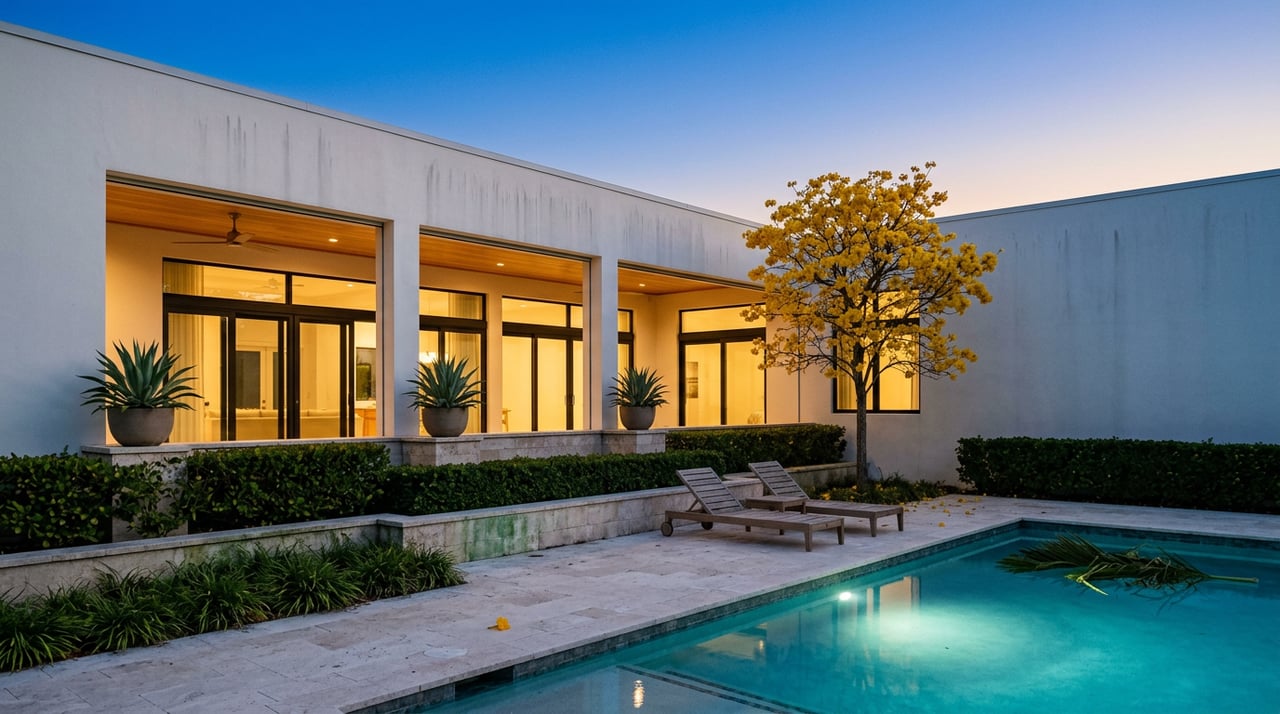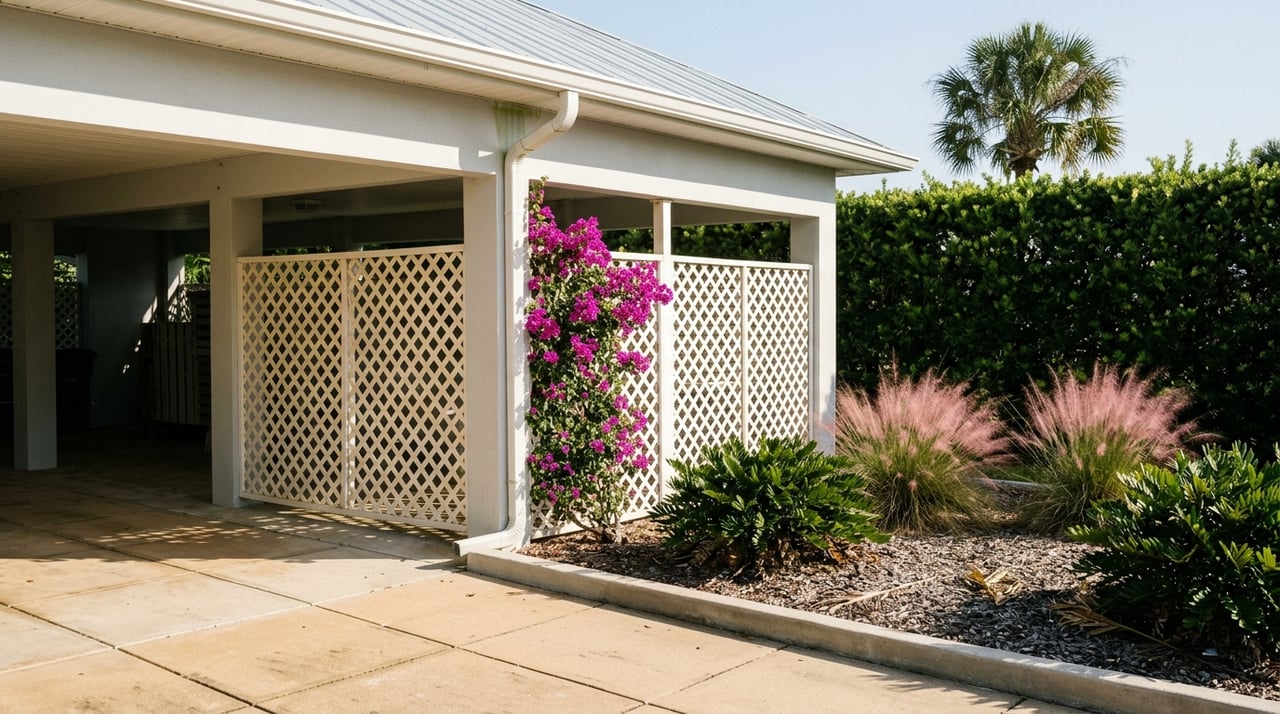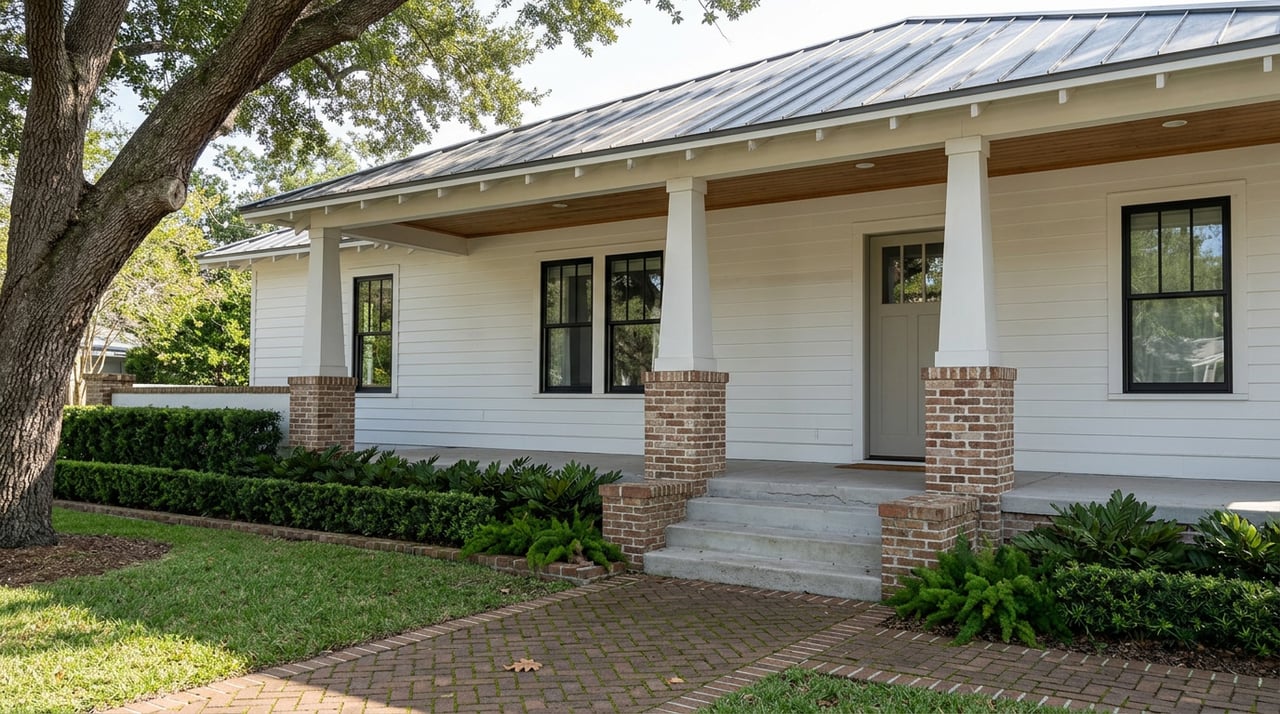
Picture two 1920s bungalows a few blocks apart in Gulfport, the kind with wide porches and coved ceilings that show up in half the listing photos from the Arts District to the Stetson area. Both owners want to swap the original wood windows for impact glass. Both want to raise the porch roofline a few inches to match a new metal roof. One of them can call a contractor and get a permit. The other has to sit in front of a city committee first and explain why the change respects the character of the block.
The difference has nothing to do with the house's age, its listing description, or how many times an agent used the word "historic" in the marketing copy. It has to do with a specific legal status that most buyers never think to ask about until they're already under contract and planning the renovation that made the house worth buying in the first place.
The Ordinance Behind the Postcard
Gulfport has had a historic preservation ordinance on the books since 1995, when the city council created a Historic Preservation Committee to oversee it. The rules were amended in 2018 under Ordinance No. 2018-01, which updated how designation, review, and enforcement work. The committee's job is to decide which buildings, structures, or districts qualify for protection, then issue what the city calls a certificate of approval before an owner can alter, relocate, or demolish anything on a designated property.
That term matters. Most historic district guides you'll find online use "Certificate of Appropriateness," the phrase most Florida cities and plenty of national guidance default to. Gulfport's own code doesn't use that phrase. It uses "certificate of approval," defined in the city's zoning code as written authorization from the Historic Preservation Committee for any proposed alteration, relocation, or demolition on a designated property. If you search using the more common term, you may not find Gulfport's actual process at all.
A Neighborhood Name Is Not a Legal Status
Here's where the confusion usually starts. Gulfport has real, well-known pockets that carry "historic" in their everyday name: Historic Gulfport near Stetson University College of Law, the Arts District along Beach Boulevard, the Marina District, Town Shores. These are geographic and cultural labels. People use them the way St. Petersburg residents say Old Northeast or Kenwood. None of that language, on its own, tells you whether a specific parcel has been formally designated under the city's preservation ordinance.
Designation in Gulfport works property by property, or district by district, through the same committee that issues the approval certificates. A block full of 1920s cottages might contain one landmarked structure and a dozen ordinary ones sitting right next to it. The house doesn't have to look historic to be protected, and it doesn't have to be protected just because it looks historic. That distinction is the entire ballgame for anyone planning to touch the exterior after closing.
The question worth asking before you fall for the porch isn't "is this house old." It's "is this specific parcel designated, and did the committee ever weigh in on it."
What Actually Triggers the Committee
Gulfport's ordinance defines exterior, for these purposes, as every outside surface of a building visible from a public right of way. That's the trigger. Interior renovations on a designated property, kitchen gut jobs, bathroom overhauls, floor plan changes, generally fall outside the committee's reach as long as nothing visible from the street changes. Roofs, siding, windows, additions, porches, and anything involving demolition or relocation are a different story. Those are the categories where a designated property needs the certificate before a permit gets pulled.
This is also where sellers can get caught off guard, not just buyers. An owner who assumes their cottage is just old, not designated, and swaps original windows for something off the shelf can end up with a stop-work order and a requirement to undo the change at their own expense if the property turns out to carry protection they didn't know about. The safest move, on either side of a transaction, is to call the city's Community Development Department directly at (727) 893-1024 and ask about the parcel's designation status and any certificate of approval history before assuming anything based on the block's reputation.
Why This Matters More Right Now
As of early September 2026, Gulfport's median sale price sat at $388,000, up 3.1 percent from a year earlier, with homes taking a median of 57 days to go under contract and roughly 4.4 months of supply on the market. Sellers were closing at about 90.2 percent of original asking price on average, and the local read on conditions leaned toward buyer's-opportunity territory rather than a seller's market.
That combination changes the incentive to ask the designation question before writing an offer. In a market where homes sell in a week over asking, buyers skip due diligence steps that feel slow, including a phone call to the city before submitting an offer on a bungalow they already plan to renovate. A market with 57 days to contract and nearly four and a half months of supply gives a buyer room to make that call first. If a house needs a new roofline, replacement windows, or an addition to actually work for how you live, knowing whether that work requires committee review before you write the offer is worth more in this kind of market than in a bidding war, because you have the time to actually use the answer.
Before You Write the Offer
A few habits protect both buyers and sellers here, regardless of how charming the listing photos look:
- Ask the city directly whether the specific parcel is individually designated or sits inside a mapped historic district, rather than relying on the neighborhood's informal name.
- Request any certificate of approval history on the property if renovation is part of the plan, since past committee decisions can hint at what future proposals are likely to face.
- Treat "historic" in a listing description as a description of the house's age and style, not a statement about what you can or can't change once you own it.
None of this makes an older Gulfport home a harder buy. It makes the renovation math something you can actually plan around instead of discovering it mid-project. A bungalow with real bones and no formal designation gives you a freer hand with the exterior. One with a designation gives you a process, not a wall, as long as the proposed work is planned with the committee in mind rather than around it.
That's the kind of detail that matters more when you're evaluating a property's potential, not just its curb appeal. If you're weighing a Gulfport cottage with an eye toward what it could become, Casey Franks can help you sort out what's cosmetic, what's structural, and what needs a call to the city before you make an offer. Let's Connect.